Why Writing Letters Is Essential for Connection
In an age dominated by instant messaging and social media, the art of letter writing may seem outdated. However, the significance of writing letters remains profound. Letters have the power to create genuine connections, convey emotions, and preserve memories in a way that digital communication often fails to achieve. This blog post explores the importance of letter writing, its benefits, and practical tips for incorporating it into your life.
The Emotional Impact of Letters
A Personal Touch
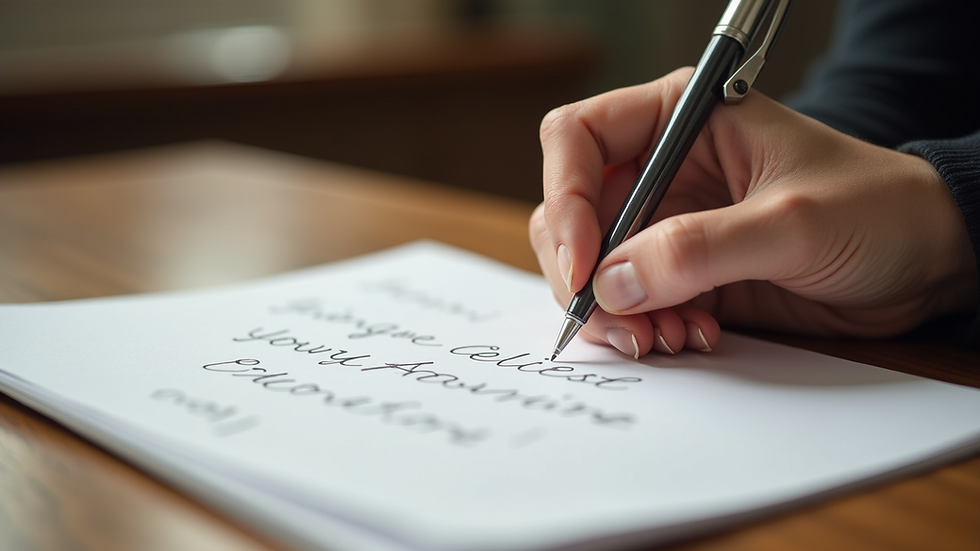
When you write a letter, you invest time and effort into crafting your message. This personal touch can evoke strong emotions in the recipient. Unlike a quick text or email, a letter carries the weight of your thoughts and feelings. The physical act of writing can also be therapeutic for the sender, allowing them to express emotions that might be difficult to articulate in person.
Creating Lasting Memories
Letters can serve as tangible reminders of special moments. Whether it's a heartfelt note to a friend or a love letter to a partner, these written words can be cherished for years to come. They become keepsakes that can be revisited, sparking nostalgia and reinforcing connections.
The Benefits of Letter Writing
Strengthening Relationships
Writing letters can significantly strengthen relationships. When you take the time to write to someone, it shows that you care. This effort can deepen bonds and foster a sense of intimacy. For example, sending a letter to a long-distance friend can bridge the gap created by distance, reminding them that they are valued and missed.
Enhancing Communication Skills
Engaging in letter writing can improve your communication skills. It encourages you to articulate your thoughts clearly and thoughtfully. This practice can translate into better verbal communication as well. By organizing your ideas on paper, you learn to express yourself more effectively in conversations.
Encouraging Mindfulness
In our fast-paced world, taking the time to write a letter encourages mindfulness. It requires you to slow down, reflect on your thoughts, and consider the feelings of the recipient. This intentionality can lead to deeper connections and a greater appreciation for the people in your life.
Practical Tips for Writing Letters
Choose the Right Materials
The materials you use can enhance the letter-writing experience. Consider using high-quality stationery, colorful pens, or even decorative envelopes. These small details can make the process feel special and encourage you to write more often.
Find Your Voice
Your writing style should reflect your personality. Whether you prefer a formal tone or a casual, conversational style, let your voice shine through. This authenticity will resonate with the recipient and make your letter feel more personal.
Be Thoughtful and Specific
When writing a letter, take the time to be thoughtful and specific. Instead of generic statements, share personal anecdotes, memories, or inside jokes. This attention to detail shows that you value the relationship and have put thought into your words.
Set a Regular Writing Schedule
To make letter writing a habit, consider setting a regular schedule. Whether it's once a week or once a month, dedicating time to write letters can help you stay connected with loved ones. You might even create a list of people you want to write to, ensuring that no one is forgotten.
The Role of Letters in Modern Communication
Balancing Digital and Analog
While digital communication is convenient, it often lacks the depth of a handwritten letter. Finding a balance between the two can enhance your relationships. Use letters for special occasions or to express feelings that might be difficult to convey through a screen.
Reviving the Art of Letter Writing
Many people are rediscovering the joy of letter writing. Consider joining a letter-writing group or participating in pen pal programs. These communities can provide inspiration and motivation to keep the tradition alive.
Letters as Gifts
A handwritten letter can be a meaningful gift. Consider writing a letter to accompany a present or as a standalone gift. This gesture can leave a lasting impression and show the recipient how much you care.
Conclusion
Writing letters is more than just a nostalgic practice; it is an essential tool for fostering connection in our lives. By taking the time to write, we create emotional bonds, enhance our communication skills, and practice mindfulness. So, pick up a pen and start writing. Your words have the power to connect, heal, and inspire. Embrace the art of letter writing and make it a cherished part of your life.

Comments